

In classrooms today, the challenge isn’t just teaching content, but ensuring students retain and apply it. Across Nigeria and beyond, educators are witnessing remarkable results by using evidence-based teaching methods. These strategies, grounded in cognitive science, transform how students learn, making knowledge stick for the long haul.
At Lumilearn, we’re passionate about empowering teachers to work smarter, not harder. That’s why we’ve synthesised the best research into 10 powerful, practical, evidence-based teaching methods to supercharge student retention. Plus, we’ll show you how our innovative platform can seamlessly integrate these techniques into your teaching, saving time and amplifying impact.
1. Active Recall: Strengthen Memory Through Retrieval
Active recall involves students retrieving information from memory without cues, such as through quizzes, discussions, or explaining concepts in their own words. Unlike passive rereading, it’s like a workout for the brain.
Why It Works: Each retrieval attempt strengthens neural pathways, making future recall faster and more automatic. Studies show it can improve test scores significantly.
How to Implement: End lessons with quick, low-stakes questions or ask students to summarise key points without notes.
Lumilearn Tip: Create short, ungraded quizzes on Lumilearn to embed active recall into your lessons, reinforcing learning at critical moments.
2. Spaced Repetition: Beat the Forgetting Curve
Spaced repetition involves revisiting material at increasing intervals, e.g., one day, one week, then one month later, rather than cramming.
Why It Works: By reviewing, just as memories begin to fade, the brain prioritises long-term storage, combating the natural forgetting curve.
How to Implement: Schedule brief review sessions for past topics weekly. Use flashcards or quick recaps to reinforce key concepts.
Lumilearn Tip: Lumilearn’s scheduling tools automatically deliver review materials at optimal intervals, saving you time while maximising retention.
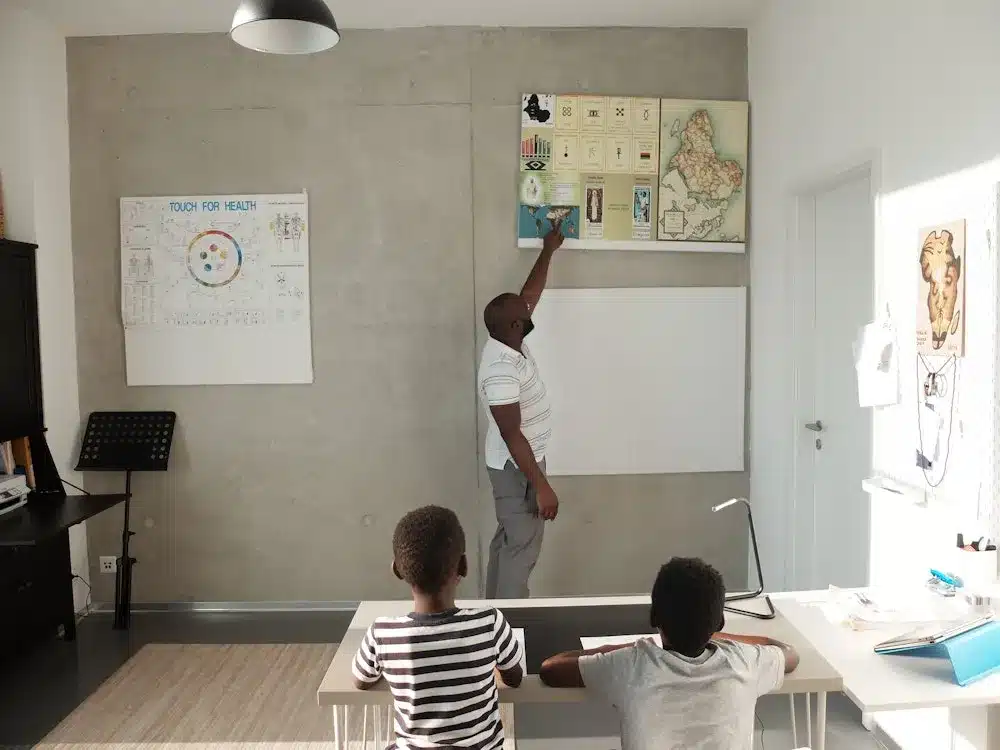
3. Dual Coding: Combine Words and Visuals for Deeper Learning
Dual coding pairs verbal explanations with visuals like diagrams, charts, or videos to create richer learning experiences.
Why It Works: Processing information through both visual and verbal channels builds interconnected memory networks, enhancing comprehension and recall.
How to Implement: When teaching complex topics, use a diagram alongside your explanation. Incorporate relatable visuals for abstract concepts.
Lumilearn Tip: Lumilearn’s content creation tools make it easy to combine high-quality visuals with verbal lessons, ensuring students learn through multiple pathways.
4. Retrieval Practice: Test to Learn, Not Just Assess
Retrieval practice encourages frequent, low-stakes testing; think flashcards, pop quizzes, or peer Q&A, to reinforce learning.
Why It Works: The effort of pulling information from memory strengthens neural connections, even if students make mistakes. It also helps identify knowledge gaps.
How to Implement: Incorporate two-minute “pop recall” sessions or use flashcards for self-testing.
Lumilearn Tip: Lumilearn’s assessment features let you create practice quizzes and question banks, enabling students to test themselves anytime, anywhere.
5. Interleaving: Mix Topics for Mastery
Interleaving involves mixing related topics or problem types during study sessions, rather than focusing on one at a time.
Why It Works: Switching between concepts forces the brain to discriminate and adapt, improving understanding and application. Research shows interleaved practice boosts long-term retention.
How to Implement: When teaching math, alternate between addition and subtraction problems. In language lessons, mix grammar rules and vocabulary.
Lumilearn Tip: Structure modules to weave related concepts together, creating mixed practice sets that challenge and engage students.
6. Elaboration: Connect and Explain for Deeper Understanding
Elaboration asks students to explain concepts in their own words and connect them to prior knowledge or real-world experiences.
Why It Works: This active processing creates personal meaning, making information more memorable and easier to recall.
How to Implement: Use prompts like “How does this relate to last week’s lesson?” or “Explain this concept to a friend.”
Lumilearn Tip: Lumilearn’s discussion forums and guided reflection tools encourage students to articulate ideas and forge meaningful connections.
7. Concrete Examples: Make Abstract Ideas Relatable
Linking abstract concepts to concrete, real-world examples helps students grasp and remember complex ideas.
Why It Works: Relatable examples act as mental anchors, hooking new knowledge onto existing understanding. In Nigeria, connecting economics to local markets makes learning relevant.
How to Implement: Use analogies, case studies, or local examples to illustrate concepts. For instance, relate inflation to rising transportation costs.
Lumilearn Tip: Lumilearn lets you weave examples into lessons, grounding abstract ideas in students’ everyday lives.
8. Metacognition: Teach Students to Learn How to Learn
Metacognition involves students reflecting on their learning process: planning, monitoring, and evaluating their strategies.
Why It Works: Self-awareness helps students identify effective study habits, adapt approaches, and become independent learners.
How to Implement: Use reflective prompts like “What strategy worked best today?” or assign learning journals.
Lumilearn Tip: Lumilearn’s reflection tools foster metacognitive skills, empowering students to take charge of their learning.
9. Testing Effect: Use Tests as Learning Tools
Regular, low-stakes testing enhances retention more than passive review, a phenomenon called the testing effect.
Why It Works: Testing consolidates memory and signals to the brain that information is important. Even incorrect answers, followed by feedback, strengthen learning.
How to Implement: Incorporate frequent mini-quizzes or practice tests, focusing on learning rather than grades.
Lumilearn Tip: Lumilearn’s assessment tools let you create repeatable quizzes with instant feedback, turning testing into a powerful learning opportunity.

10. Collaborative Learning: Learn Together, Retain Together
Collaborative learning involves students teaching, discussing, or working together, such as through think-pair-share or group projects.
Why It Works: Explaining to peers deepens understanding, exposes students to diverse perspectives, and builds confidence. It also fosters an engaging learning environment.
How to Implement: Use peer reviews or group discussions to reinforce concepts. Encourage students to explain ideas to each other.
Lumilearn Tip: Lumilearn’s discussion forums facilitate peer interaction, extending learning beyond the teacher-student dynamic.
Transform Your Teaching with these evidence-based teaching methods using Lumilearn
These 10 evidence-based teaching methods offer a roadmap to deeper, lasting learning. Whether in a classroom or teaching remotely, Lumilearn makes it easy to implement these strategies and amplify your impact. Our platform empowers you to:
- Create engaging, retention-focused lessons using multimedia and interactive tools.
- Schedule spaced repetition and retrieval practice with minimal effort.
- Foster collaboration and reflection through discussion forums and guided prompts.
- Track student progress and tailor reinforcement where needed.
- Monetise your expertise by sharing high-quality courses with a wider audience.
- Try all these evidence-based teaching methods to help your students.
Ready to Teach Smarter?
Pick one or two strategies to try in your next lesson. With Lumilearn, you can gradually build a retention-focused teaching practice that transforms student outcomes.
Take the Next Step: Join the waitlist https://lumilearn.io/
- Free access to evidence-based teaching methods and templates.
- Step-by-step guides for each retention strategy.
- A community of innovative educators sharing best practices.
- Tools to earn passive income from your expertise.
Which method will you try first? Share your thoughts in the comments.